Tucson winters are short, usually mild, and rarely severe. That simple fact means the choice between a heat pump and a furnace looks different here than it does in Minneapolis or Boston. Moisture, ductwork, electricity and gas prices, and homeowner priorities such as upfront cost versus year-round efficiency all shape the right answer. If you have searched for "heating services near me" or "HVAC contractor Tucson," this piece walks through the trade-offs I see on service calls, lays out real costs and performance expectations, and offers practical guidance for homeowners who want to make a confident decision.
Why Tucson changes the calculus
Tucson averages winter overnight lows in the 40s Fahrenheit and daytime highs that often reach the 60s. Extended freezing stretches are rare. That climate favors systems that perform well at moderate temperatures. Heat pumps extract ambient heat from outside air and move it indoors. Modern heat pumps are efficient across a wide temperature range, and in Tucson they typically operate in their sweet spot much of the heating season. Furnaces produce heat by burning gas, offering higher output at very low temperatures, but in Tucson those extreme low-temperature advantages are seldom needed.
On a practical level, that means two things I tell homeowners right away. First, a heat pump will often deliver lower annual heating costs because it moves heat rather than creating it. Second, the decision often comes down to personal priorities: lower operating cost and year-round cooling integration, or the reliability and feel of forced-air combustion heat when temperatures dip to the 30s or below.
How each system works, in plain terms
A heat pump is an electric-driven refrigeration cycle that can run in reverse. In cooling mode it removes heat from indoors and rejects it outside. In heating mode it pulls heat from outside air and moves it indoors. Efficiency is measured by coefficients of performance, COP, or by seasonal ratings such as HSPF and SEER for combined heating and cooling performance.
A furnace produces heat by combusting natural gas, propane, or oil. In Tucson, natural gas furnaces are most common. Furnaces are rated by AFUE, the percentage of fuel energy converted to usable heat. A 95 percent AFUE furnace converts 95 percent of the fuel’s energy into heat, wasting the rest through exhaust.
What you pay to install and to run
Installation costs vary with equipment quality, ductwork condition, and labor. A representative range for a single-family home in Tucson:
- Heat pump (air-source, mid-range unit) with standard installation: roughly $5,000 to $10,000. High-efficiency or inverter-driven units can push toward $12,000 or more. Gas furnace (mid-efficiency, standard install) plus condenser for cooling if needed: roughly $3,500 to $8,000. High-efficiency gas furnaces and necessary venting can increase that.
These ranges are broad because local site conditions matter. If your home already has ductwork in good shape and you’re replacing an existing HVAC system, costs sit near the lower side. If ducts need repair or the installation requires a new gas line or condensate handling, expect the higher side.
Operating cost is where heat pumps often shine in Tucson. Because heat pumps transfer heat instead of converting fuel, their effective efficiency when heating can be two or three times that of electric resistance heat. Compared to a gas furnace, heat pump economics depend on the relative prices of electricity and natural gas. If your electric rate is high and gas is inexpensive, a high-AFUE furnace may have lower operating costs. If electricity prices are moderate and you value centralized air conditioning combined with heating, a heat pump typically wins.
Practical performance: comfort, noise, and distribution
Comfort is not only about temperature. It includes humidity, airflow, and how quickly a system responds. Heat pumps supply steady, even heat and often include variable-speed blowers that keep airflow consistent and reduce temperature swings. Furnaces produce hotter air and can give a more immediate warm-up when you turn them on, which some people prefer in the morning.
Noise is another practical consideration. Modern heat pumps have improved greatly; quiet outdoor units are common. Furnaces generate combustion noise and the sound of the burner cycling, though many homeowners find that acceptable because it’s brief and infrequent.
If your existing ductwork leaks or is undersized, neither a heat pump nor a furnace will perform well. Before replacing equipment, have ducts inspected for leakage and insulation. Duct sealing and adding a programmable thermostat often pay back quickly through improved comfort and efficiency.
Year-round value: the cooling side matters in Tucson
Because Tucson summers are hot and air conditioning is essential, many households choose equipment that handles both heating and cooling efficiently. A heat pump gives high efficiency for both functions, simplifying the system and often reducing the need for a separate air conditioner. For homeowners who already have a furnace and a separate air conditioner, replacing both with a single heat pump system can make sense, especially if the AC is old and inefficient.
If you keep a gas furnace and already have a working AC, you can replace the furnace alone. That path sometimes gives a lower immediate cost and keeps gas utility bills predictable in the rare cold snaps. However, you miss out on the efficiency gains of a modern combined heat pump system and the simpler maintenance schedule that comes with one integrated system.
Maintenance and repair realities in Tucson
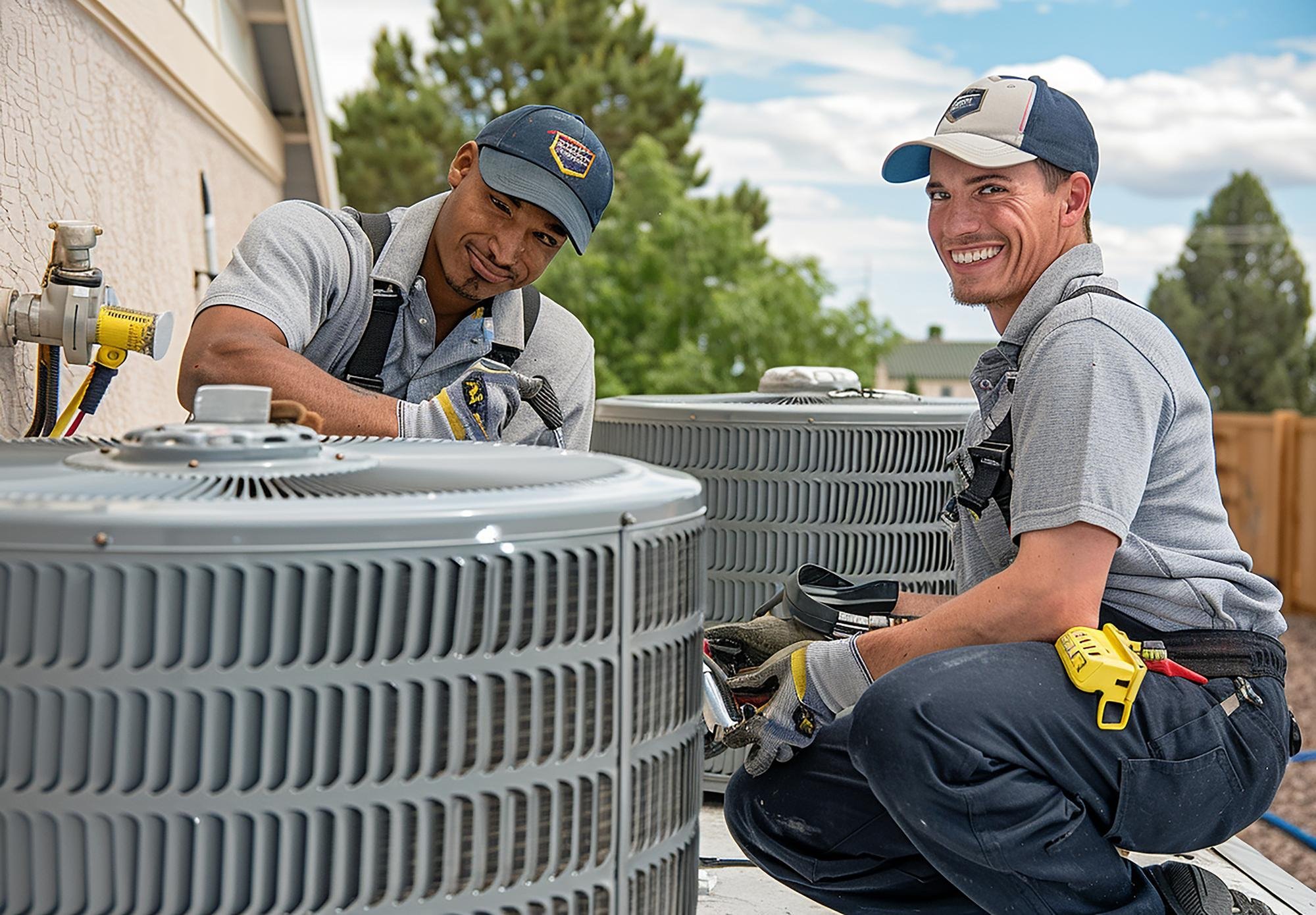
From my experience on service calls, the most common reasons people call local HVAC companies in Tucson are: AC repair in summer, routine HVAC repair in shoulder seasons, and maintenance for equipment that struggles with seasonal load changes. Heat pumps require similar maintenance to air conditioners plus attention in fall and spring when modes change. Furnaces need annual checks on burners, combustion exhaust, and heat exchangers to keep safety and efficiency tight.
If you search "HVAC repair" or "AC repair" in Tucson, you’ll find companies that emphasize quick summer response. A reliable local contractor should offer seasonal tune-ups, priority service plans, and clear explanations about conserving both electricity and gas. When I walk customers through a maintenance visit I show them where filters are, how to check condensate lines, and what a refrigerant leak looks like. Those small steps prevent expensive downtime.
Rebates, incentives, and utility programs
Arizona and local utilities periodically offer incentives for high-efficiency heat pumps and HVAC upgrades. Tucson Electric Power and other utilities have rebate programs for heat pumps and for duct sealing or smart thermostats. These programs change, so check current offerings before you commit. A solid local HVAC contractor will know which rebates are active and will help you apply. On many installations, rebate amounts and federal tax credits for efficient equipment reduce the effective cost noticeably.
When a furnace still makes sense
There are circumstances where a furnace is the right choice. If you already have natural gas service and your electric rate is high relative to gas, a high-AFUE furnace often costs less to operate. If your home has challenging insulation or poorly sealed windows and you want rapid, high-temperature heat on very cold nights, furnaces deliver more heat per hour at low outside temperatures.
Another scenario is the hybrid approach. A dual-fuel system pairs a heat pump with a gas furnace. The heat pump handles mild to moderate heating loads, and the furnace kicks in when temperatures drop to a point where the heat pump’s efficiency wanes. In Tucson most households will rarely need the furnace to run, but the hybrid setup gives insurance against unusually cold winters while maximizing heat pump efficiency the rest of the time.
A few real-world examples
I worked on a mid-century Tucson bungalow where the air conditioner was 18 years old and the furnace was 12 years old. The homeowner paid attention to bills and wanted comfort without frequent calls for HVAC repair. We replaced both systems with a single high-efficiency heat pump with variable-speed blower and updated the thermostat and duct sealing. Upfront cost was higher than installing a new furnace alone, but the homeowner saw lower seasonal bills and one maintenance contract for both cooling and heating.
In another case, a newer home on a budget needed fast, low-cost replacement after a compressor failure. The homeowner had natural gas already piped in, and electric rates in that neighborhood were on the higher side. We installed a high-AFUE gas furnace and reused the existing AC condenser after a compressor rebuild, keeping costs down while restoring comfort quickly. That household accepted slightly higher complexity for a lower initial expense.
How to choose a contractor in Tucson
Searches for "HVAC company in Tucson AZ," "HVAC contractor Tucson AZ," or "local HVAC experts Tucson AZ" return many options. Here’s what I advise you to prioritize when inviting quotes.
- Licensing and insurance matter. Confirm the contractor holds appropriate Arizona licenses and carries liability insurance. This protects you if something goes wrong. Ask for references and examples of recent work in Tucson neighborhoods similar to yours. A contractor familiar with local homes will better estimate duct losses and load sizing. Beware single-number sales pitches. Sizing a system requires a proper load calculation, not just a square-foot rule. A good contractor performs a Manual J load calculation or equivalent and explains the results. Look for clarity on warranties and service agreements. Plunkett Home Services and other reputable shops usually offer maintenance plans and clearly documented warranties on workmanship and parts. Compare apples to apples when you get bids. Equipment efficiency ratings, coil condition, ductwork fixes, and thermostat models all influence price.
Checklist before you sign any work
- Confirm whether the quote includes duct sealing and thermostat upgrade, and how many years of labor warranty are provided. Verify whether the contractor will pull necessary permits and whether rebates will be applied. Ask for projected seasonal operating cost estimates based on local energy prices. Request references and a written schedule for the work. Make sure the system size is backed by a load calculation.
What to expect from the first service visit
When you call for HVAC service near me, the first visit should include an inspection of outdoor unit condition, refrigerant pressures if cooling is involved, and a quick check of ductwork and filter condition. For heat pumps, the tech should test both heating and cooling modes, listen for unusual noises in the reversing valve, and confirm correct defrost operation. For furnaces, they should inspect burners, flue, and safety controls. Good contractors will explain issues in plain language and show you the parts or photos that justify recommended repairs.
Common pitfalls and how to avoid them
An oversized heat pump or furnace short-cycles, costing you comfort and life from the equipment. An undersized unit struggles on the coldest mornings and increases runtime and wear. Both situations are avoidable with a proper load calculation and experienced installation. Another trap is neglecting ducts. Even the best heat pump or furnace can lose 20 to 30 percent of its capacity to leaky ducts. Invest in duct sealing early in the decision process.
Final guidance for typical Tucson homeowners
If you want a single system that heats and cools efficiently, minimizes operating cost across the year, and pair with cleaner electric usage, choose a modern heat pump, especially if you plan to stay in your home for five years or more. If your priority is lower upfront cost and you already rely on cheap natural gas, a high-efficiency gas furnace remains a defensible choice. Consider a hybrid dual-fuel system if you want both: heat pump efficiency most of the time and furnace backup on the rare very cold night.
If you’re still unsure, call a trusted local firm for a free assessment. Include "HVAC Service Near Me" or "Heating services near me" in your search and look for contractors who handle both heat pumps and furnaces. Companies like Plunkett Home Services and other experienced local HVAC repair shops can run a load calculation, examine ductwork, and give https://callplunkett.com/ you clear numbers for upfront cost, estimated annual operating cost, and projected payback for a higher-efficiency system. Bring your last 12 months of electric and gas bills to the appointment, and you’ll get a much clearer picture of what the equipment will cost you in real life.
Choosing between a heat pump and a furnace in Tucson is not a matter of right or wrong. It is a matter of matching climate, home characteristics, energy prices, and personal priorities. With the right contractor, a careful load calculation, and reasonable attention to ductwork and maintenance, you can pick a system that keeps your home comfortable without surprise bills or frequent emergency calls.
Plunkett Home Services
3144 E Fort Lowell Rd, Tucson, AZ 85716
+1 (520) 808-2743
[email protected]
https://callplunkett.com/